The Onboarding & Compliance Resource Center
Case Studies
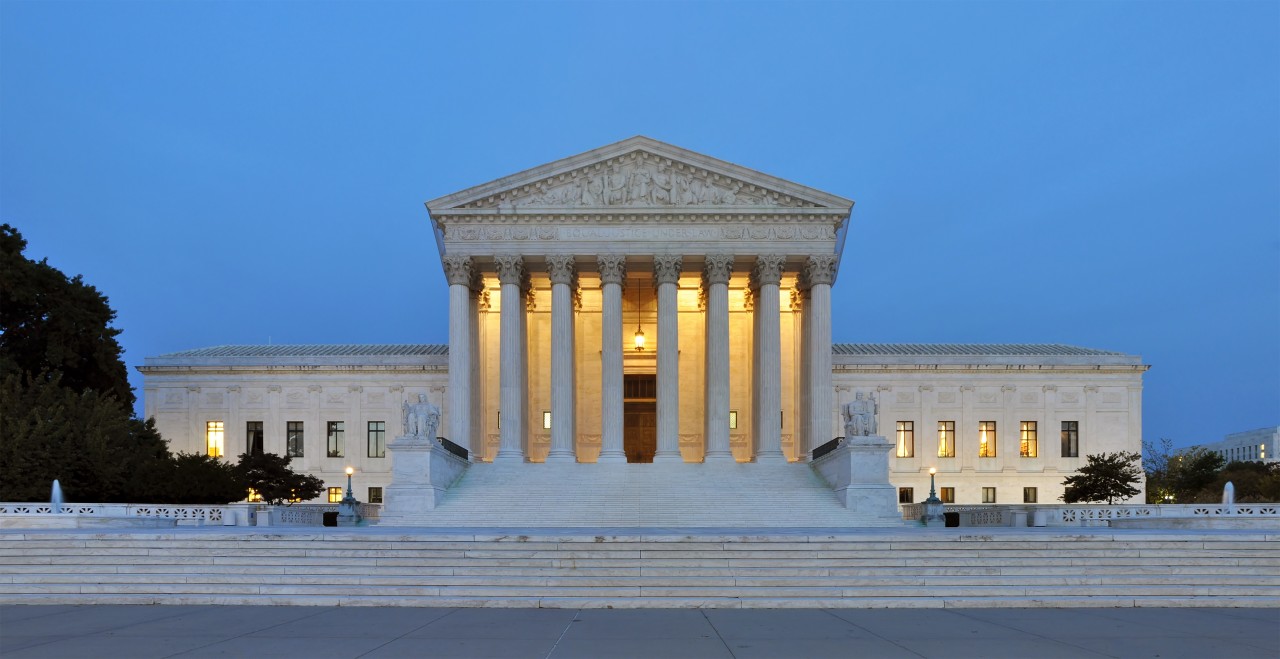
In our first article, we explored the changing role of agencies in light of the Supreme Court’s decision in Loper Bright Enterprises v. Raimondo. To recap, the Court overturned Chevron deference which required courts to defer to federal agency interpretations of ambiguous statutes. Given the high degree of ambiguity in most statutes, Chevron positioned federal agencies as key players in shaping our regulatory landscape. Now under Loper-Bright, courts are required to independently judge whether an agency has acted within its statutory authority, significantly expanding the role of courts and opening the door for more challenges.
To be clear, the Loper-Bright decision doesn’t mean agency deference is dead. Statutes may be written differently over time to reduce ambiguity, but this won’t happen overnight, and agencies will continue to issue meaningful guidance for businesses. Employers, in particular, rely heavily on agency rules and interpretations because employment laws change so frequently and often overlap. Existing and future interpretations will continue to provide a reasonable basis to design their compliance operations.
What’s changed however, is the increased likelihood of challenges and likely disruption to existing operations. So, the question really becomes: How should employers think about their current operations in light of this ruling?
Evaluating Current Agency Interpretations and Guidance
With the weight of agency interpretations broadly diminished, employers should expect some significant legal challenges to longstanding rules. For compliance teams, that can be unnerving to say the least. But again, this won’t happen overnight, and as frustrating as disruption to processes can be, Chevron deference resulted in some equally frustrating outcomes. That frustration was key in the Loper-Bright case itself where commercial fishermen were required to bear the cost of federal monitors on their boats, a significant financial burden imposed based on agency interpretation.
Which brings us to the core of this article: How should employers approach specific agency interpretations that they’ve built their compliance operations around? To establish an approach, we’ll look at a few areas most employers are very familiar with.
Worker Classification under the FLSA
The Department of Labor’s (DOL) interpretation regarding worker classification under the Fair Labor Standards Act (FLSA) has gone through various iterations. The DOL has issued proposed rules and final rules over the years to provide guidance on distinguishing between employees and independent contractors. This agency interpretation significantly impacts wage and hour laws, including overtime pay and other benefits.
- What is vulnerable to change? The FLSA language is often ambiguous, particularly regarding what constitutes an independent contractor versus an employee. For instance, the DOL’s Final Rule, effective March 2024, outlines a six-factor test for classification but doesn’t clearly assign a specific weight to any one factor, creating ample room for varied interpretations. Even though this rule was interpretive, it carried significant influence under Chevron. With Chevron overturned, courts will now have more room to independently assess these classifications, potentially leading to more challenges from businesses seeking flexibility and from workers advocating for proper classification and benefits.
- How can employers prepare? Employers need to understand what they are preparing for in this new landscape. The key is recognizing the potential for differing interpretations across various jurisdictions and being ready to adapt to these changes. This could lead to a lack of uniformity in how the FLSA is applied, creating confusion and operational complexity–especially for employers operating in multiple states.
Background Checks and FCRA Compliance
When it comes to background checks and Fair Credit Reporting Act (FCRA) compliance, employers rely on interpretations from several different agencies. The FTC, EEOC, and CFPB all issue interpretation and guidance on issues ranging from proper disclosures to non-discriminatory evaluation of criminal records in making employment decisions.
- What is vulnerable to change? The FCRA’s provisions are often broad and ambiguous, particularly around the requirements for disclosure and authorization. The Act requires that employers inform candidates about background checks in a “clear and conspicuous” manner, using a document solely for this purpose. The ambiguity of terms like “clear and conspicuous” and “standalone document” have created confusion and frustration for years, especially as digital solutions have become the predominant method of interacting with employees. This ambiguity has resulted in an entire industry where plaintiffs challenge employer procedures, with courts predominantly deferring to agency interpretations under Chevron deference.
- How can employers prepare? Employers need to understand what they are preparing for in this new landscape. The key is recognizing the potential for differing interpretations across various jurisdictions and being ready to adapt to these changes.
- Invest in tools for rapid adaptation: There is an increased possibility of federal circuits issuing differing rulings on what constitutes “clear and conspicuous” and a “standalone document.” Employers may need to quickly update their compliance procedures based on geography. Tools that enable rapid deployment of new content and different operational procedures will be key.
- Strategic investment in control: If a court rules that certain disclosure practices are non-compliant, employers may find themselves asking a background check provider to make changes on their behalf. And keep in mind, Consumer Reporting Agencies (CRAs) have their own compliance to worry about, potentially creating conflict regarding whose compliance is more important. Investing in more control and the ability to make changes for yourself can enable employers to decrease that reliance and ensure candidate experience isn’t jeopardized.
These are certainly not the only rules and regulations vulnerable to change. But these are representative of the real potential for disruption and how employers can approach this new reality that Loper-Bright presents.
A New Approach for Employers: Focus on Control In an environment where regulatory turbulence is expected to increase, a lack of control poses a significant threat to employers. While existing regulations will remain in place until challenged successfully, employers should prepare for more legal challenges, as courts will now independently review agency interpretations.
The Loper-Bright decision undoubtedly has the potential to disrupt many existing procedures and frustrate compliance teams all over. But it also provides employers with a compelling reason to make strategic investments—specifically in enhancing compliance control and unlocking internal expertise. By reducing reliance on third-party vendors and bolstering internal capabilities, businesses can better navigate the complexities of evolving regulations and assert their own reasonable interpretations at a time when courts are clearly open to revisiting frustrating outcomes.
Up next: We’ll dive into the practical applications Onboarded provides to help employers keep up to date, enhance control, and ultimately thrive in this post-Chevron world.

In case you missed it, the Supreme Court issued a landmark decision overturning Chevron deference, a legal doctrine that required courts to defer to federal agency interpretations of ambiguous statutes. This ruling fundamentally alters how the regulatory process has operated for the past several decades, and perhaps more practically, has resulted in a flurry of emails from businesses asking their attorneys if this means they can stop complying with regulations altogether. Spoiler: it doesn’t.
When something like this happens, we all want clear instructions on what to do next. But the reality is that it will take time for practical impacts and new legal strategies to come into focus. Challenges to rules and agency actions are expensive and time consuming, and most of us aren’t rushing to the front of the line with our checkbooks excited to litigate.
But that doesn’t mean there’s nothing to do. While it’s still too early to know exactly how the ruling in Loper Bright Enterprises v. Raimondo will change the regulatory landscape, there are certainly tactics employers can implement now that will set them up for success. In particular, enhancing your capabilities around control and visibility of your processes and supercharging your internal experts. And that’s what this series is: a legal realist’s view on the practical implications of the ruling and the steps businesses can take to navigate this new environment.
Chevron Deference and the Role of Agencies Chevron deference stems from the 1984 Supreme Court case Chevron U.S.A., Inc. v. Natural Resources Defense Council, Inc., which involved the EPA’s interpretation of the Clean Air Act—specifically, what constitutes a “single source” of pollution. Naturally, the law didn’t specify what a “single source” was, so lawyers stepped in. Chevron argued for a narrow definition, like individual smokestacks, while the EPA argued for a broader interpretation, like an entire facility. Putting aside who was right, the Supreme Court sided with the EPA because their interpretation was reasonable and aligned with their expertise in environmental regulations.
That’s essentially how Chevron deference has worked for the past several decades: if an agency’s interpretation is reasonable and within its authority, the court must defer to its expertise. It’s essentially a principle of humility recognizing that judges aren’t the experts, and courts aren’t the most efficient places to resolve complex regulatory disputes. The idea is that by deferring to agencies’ expertise, the courts allow for a more streamlined and specialized regulatory approach.
The Role of Experts and Opportunities for Employers
Critics of Chevron deference have long argued that it undermines the separation of powers by allowing agencies to effectively create laws without proper judicial oversight, leading to potential overreach and inconsistent regulatory interpretations. Despite this, businesses have relied heavily on agency interpretations and the experts they employ to shape compliance strategies, challenge regulations and assess risks. Background check companies depend on Fair Credit Report Act (FCRA) advisory opinions from the Federal Trade Commission (FTC) and the Consumer Financial Protection Bureau (CFPB). Employers look to Department of Labor guidance on overtime pay and worker classification to align their wage and hour policies. Healthcare employers and facilities rely on Occupational Safety and Health Administration (OSHA) and the U.S. Department of Health and Human Services (HHS) for guidelines on workplace safety, infection control and patient privacy. These agency interpretations have provided a relatively stable—albeit complex—foundation for decision-making.
The Supreme Court’s decision in Loper Bright Enterprises v. Raimondo fundamentally changes the landscape. By overruling Chevron deference and requiring courts to exercise independent judgment when determining whether an agency has acted within its statutory authority, the Court essentially killed Chevron deference. Agency interpretations will certainly remain, but they become more instructive than authoritative.
With this shift, the role of agency expertise is now in question. If agency interpretations carry less weight, the need for agencies to maintain a large number of experts is reduced. This creates an opportunity for businesses to make strategic investments. Expertise is moving away from the agencies and will need to be bolstered within businesses and Congress (but don’t hold your breath on the latter). This places much greater emphasis on the role of internal and external legal and industry experts who can provide more tailored interpretations of regulatory requirements.
The Key Opportunity for Employers: Embracing Control
The key opportunity for employers lies in setting themselves up to defend their own interpretations of regulations. With agency interpretations now carrying less weight, the door is opening for businesses to assert their own more tailored interpretations. This is a significant shift, providing employers with the chance to take greater control of their compliance strategies and ensure they are not just passively following guidance, but actively shaping their regulatory environment.
Implementing advanced compliance management systems allows businesses to track regulatory changes in real time and adjust their practices accordingly. Developing internal audit capabilities enables businesses to regularly review and refine their compliance strategies, maintaining control over how regulations are interpreted and applied. By supercharging your internal compliance and operations teams, you can make targeted modifications when it makes sense for your business. The reliance on third-party vendors–with the lack of control that comes with it–often results in lost time and missed opportunities. Investing in control means you can make the changes that align best with your business needs.
By prioritizing control and visibility, employers can better navigate the uncertainties of a post-Chevron regulatory landscape. This proactive approach ensures that companies remain compliant while being agile enough to implement targeted modifications as the regulatory environment evolves.
Up next:We’ll take a closer look at specific regulations and guidance that may be vulnerable or present new opportunities for businesses in this evolving landscape.

Onboarding Compliance 101
Essential I-9, W-4, and labor poster requirements, explained clearly.
Screenings, ID verification, and smarter vendor orchestration.
AI, automation, and what's next for workforce compliance.